
Description
Picking the right perennials can feel like a big task, but it’s really the key to a garden that keeps coming back year after year. In Tennessee, the summers can get hot, winters are mild, and rainfall is all over the place. That means not every plant will thrive without some thought. Things like your soil type, how much sun the garden gets, and drainage all matter a lot. The right plant in the wrong spot might sulk, bloom poorly, or just fade away.
Perennials don’t just look pretty—they help local wildlife too. Bees, butterflies, and even birds benefit from a garden planted with the right mix. For anyone looking to get it right, Tennessee Wholesale Nursery is a solid place to start. They have perennials that are tested for Tennessee conditions. With careful selection, these plants can turn a bare plot into a lush, colorful space that feels alive all year. Plus, once established, many of them take care of themselves for seasons to come.
Narcissus, better known as daffodils, are those classic trumpet-shaped blooms that show up in early spring. They can be yellow, white, or even a mix of orange, standing 12–18 inches tall. Plant enough, and over a few years, they’ll form thick, cheerful clumps.
Why gardeners love them: they brighten early spring beds, deer and rodents usually leave them alone, and they’re very low-maintenance.
Some tips: fertilize in early spring, remove spent flowers so the bulbs store energy, and divide clumps every 3–4 years to keep them happy.
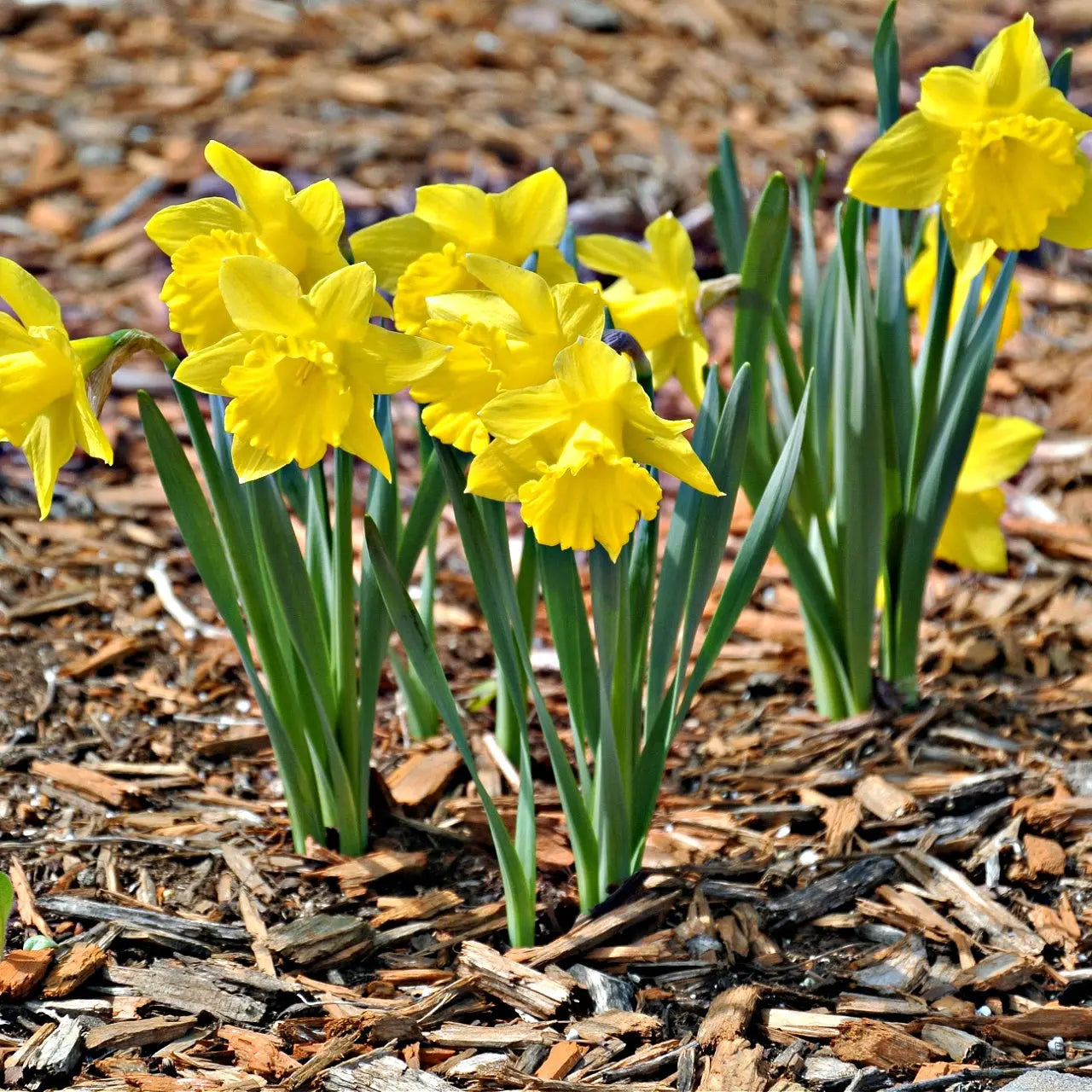
Tall and striking, Pennsylvania Smartweed can grow 2–5 feet with spikes of pink or reddish flowers from mid-summer to fall. Its upright habit adds texture and some height to garden beds.
It attracts bees and butterflies, brings late-season color, and even helps stabilize soggy areas. Cut back after flowering to shape it, mulch in winter, and give each plant a little breathing room—about 18–24 inches apart.
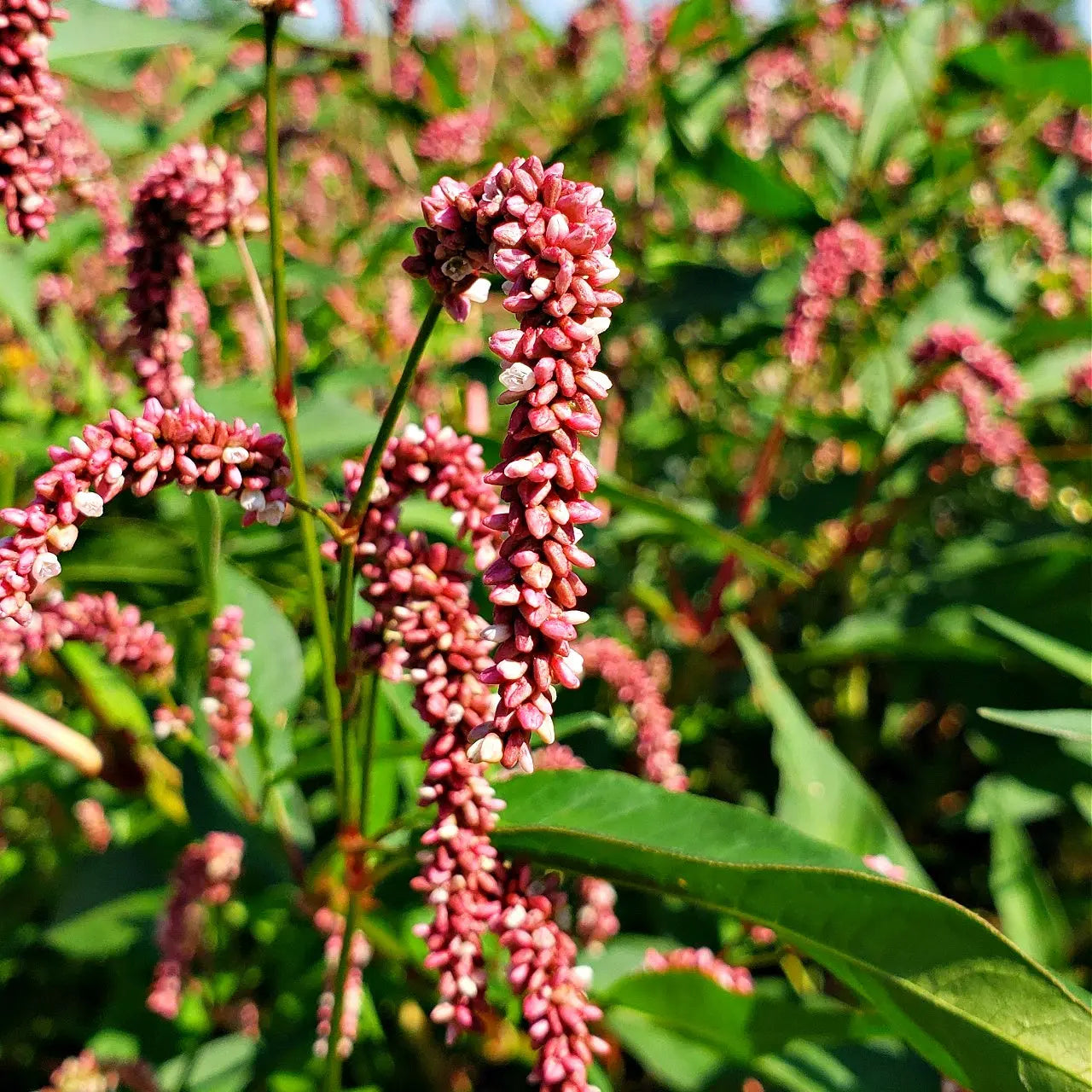
Daffodils are cheerful and familiar. They have bright yellow or white trumpet flowers on slender stems, usually 12–20 inches tall, popping up in early to mid-spring. Plant them, and they’ll multiply naturally.
Benefits include spring color that lifts the garden mood, deer resistance, and easy naturalizing. Fertilize in spring, leave foliage after flowering to feed bulbs, and divide every five years if clumps get crowded.
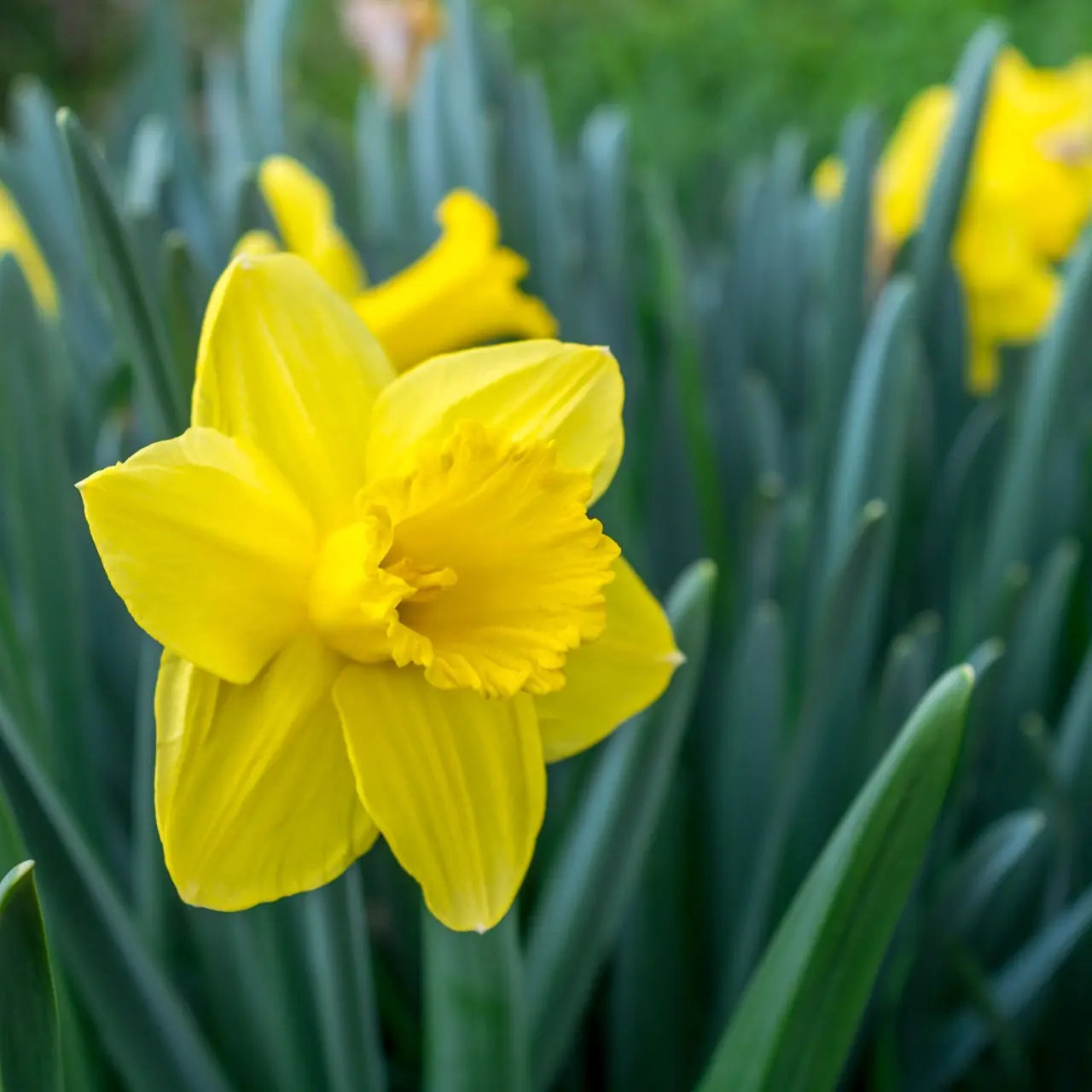
Oxeye Daisy is all about that simple meadow look—white petals with bright yellow centers, growing 1–3 feet tall, blooming from late spring through summer. Perfect for casual or cottage-style gardens.
It’s great for pollinators and very hardy. Deadhead regularly to keep blooms coming, thin out crowded clumps, and divide every few years to keep plants healthy.
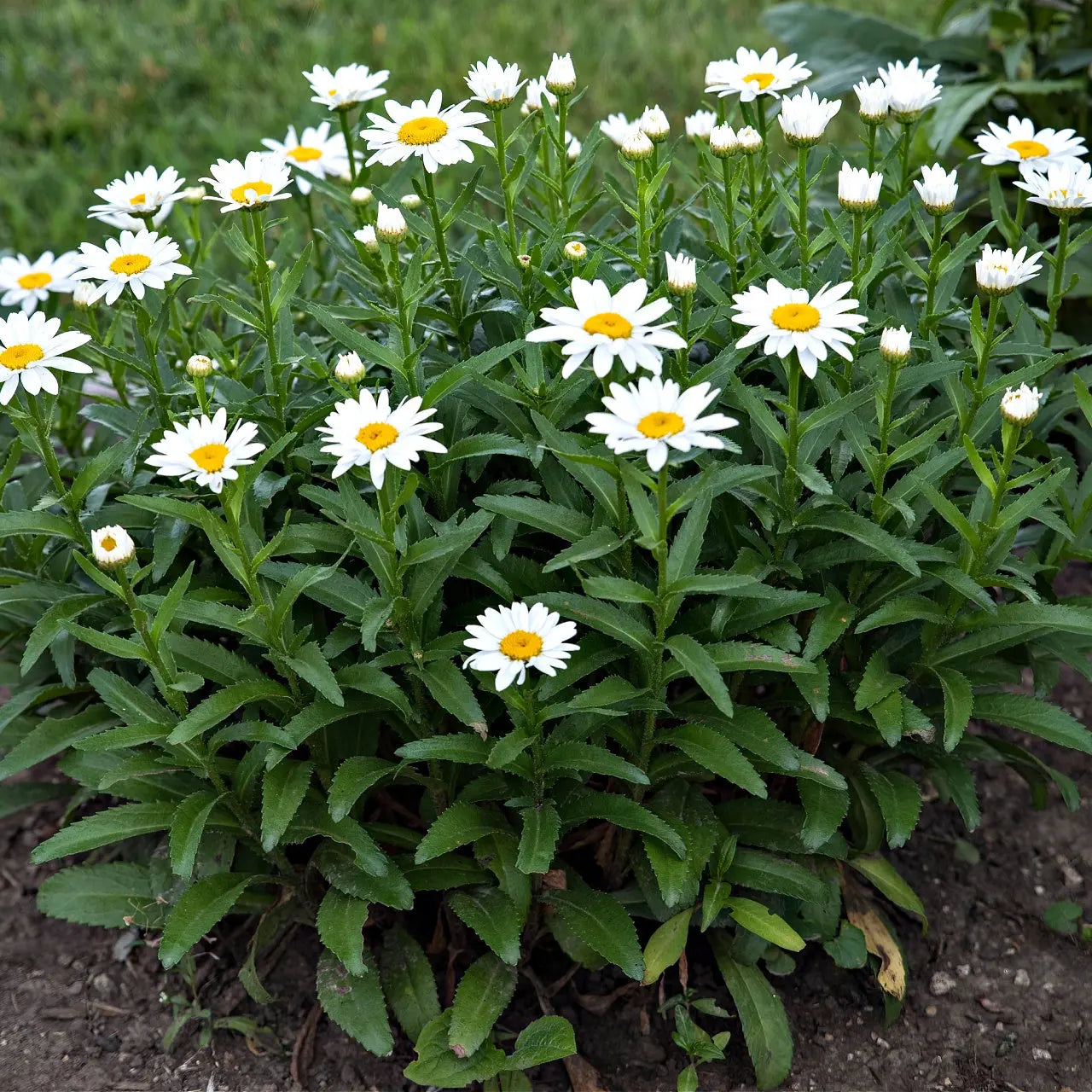
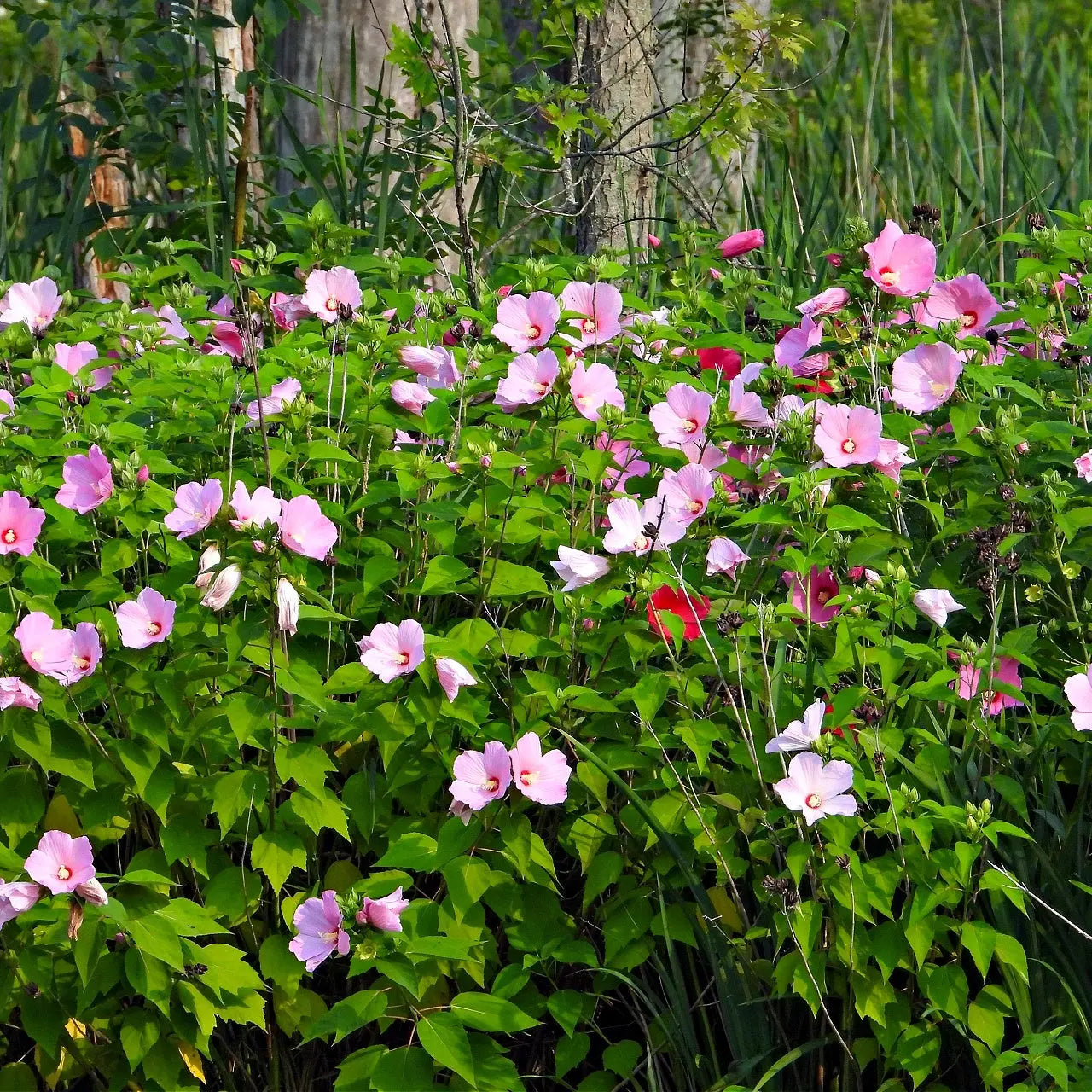
If you want drama, Marsh Hibiscus delivers. This tall perennial, 6–8 feet, has tropical-looking blooms in red, pink, or white during mid to late summer. Its large leaves make it stand out even when not in bloom.
It draws hummingbirds, adds bold color and texture, and is surprisingly low-maintenance if planted in the right spot. Cut back in winter, stake taller types, and give them some slow-release fertilizer in spring for the best results.
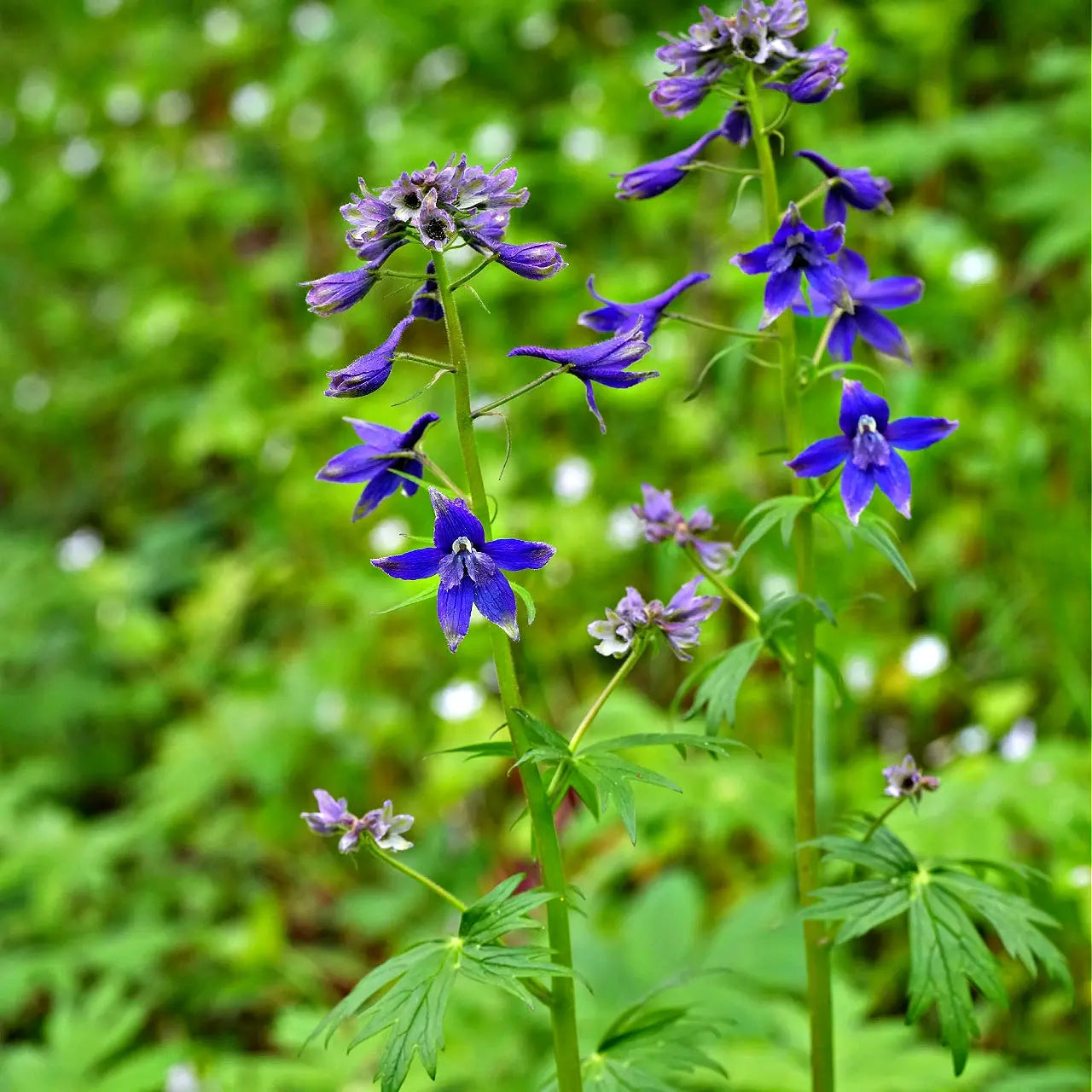
Larkspur brings vertical interest with spires of flowers in blue, purple, pink, or white. Reaching 2–4 feet, it blooms early summer and adds structure to borders.
It’s pollinator-friendly and relatively low-maintenance. Tall spikes may need staking, remove spent flowers to encourage more blooms, and keep an eye out for slugs and snails.
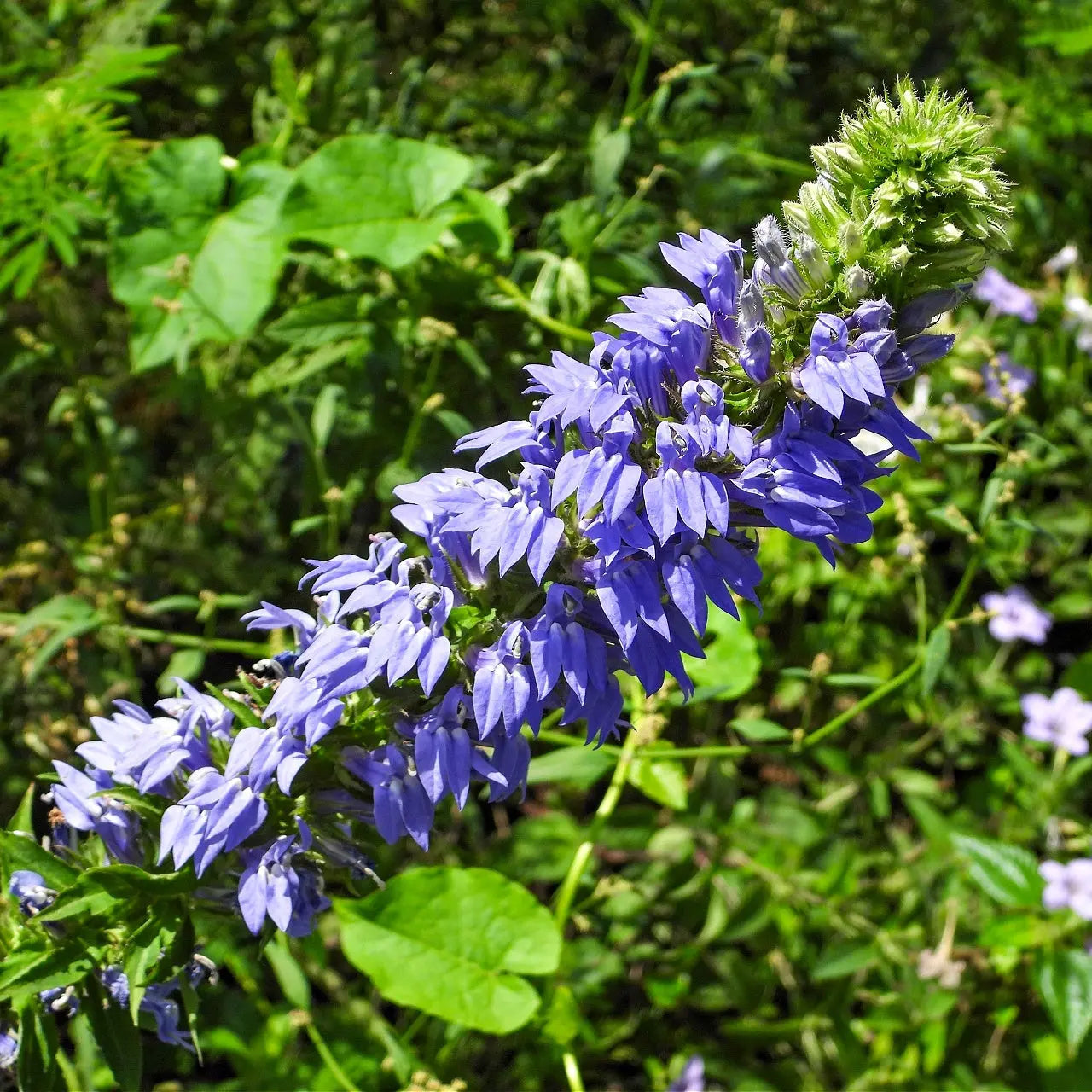
Blue Lobelia is compact and vibrant, with cobalt-blue flowers on 12–18 inch stems. Mid- to late-summer bloom makes it perfect for borders or containers.
Hummingbirds and butterflies love it. Pinch back early growth to bush it out, mulch to hold soil moisture, and divide every few years to keep it vigorous.
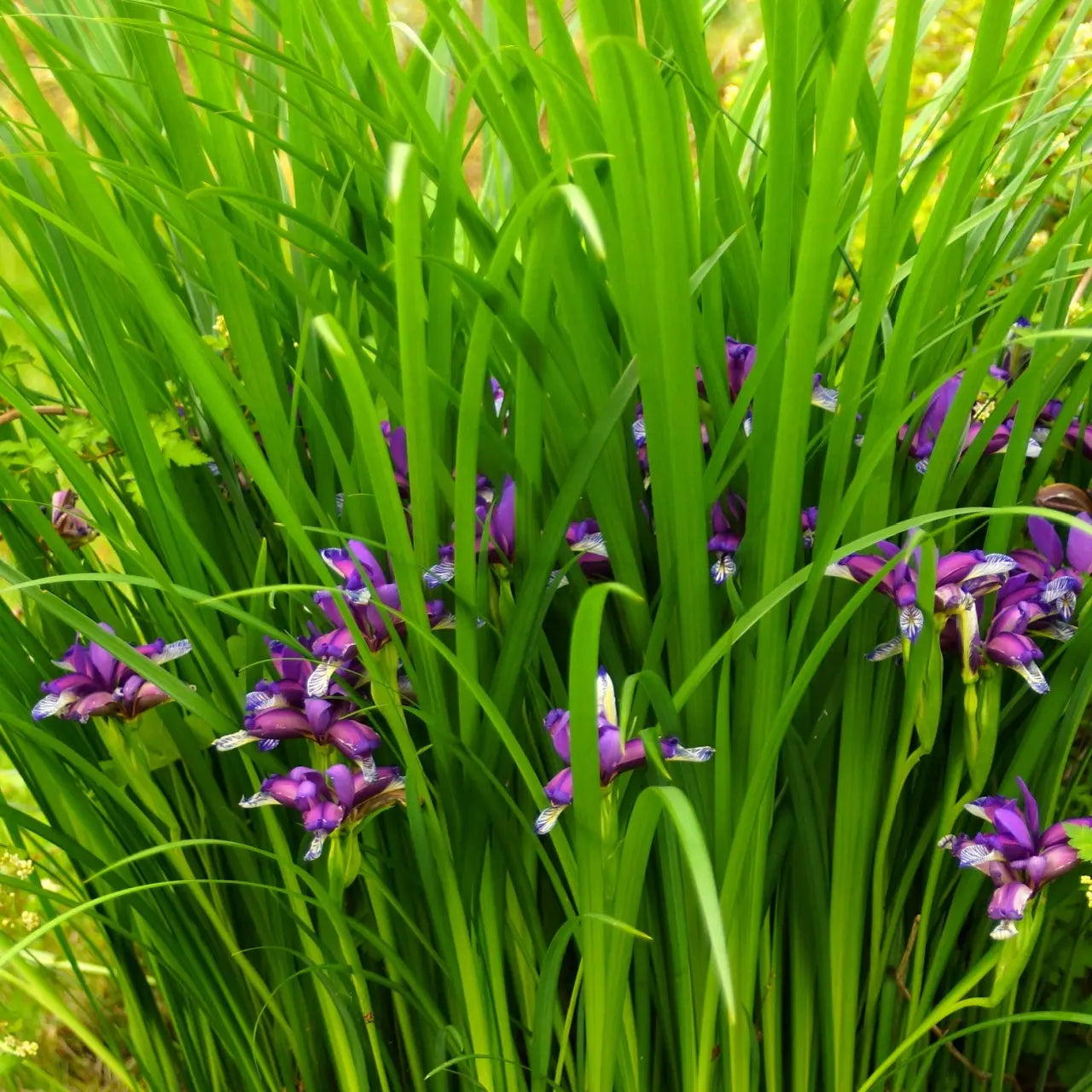
Iris Cristata is a low-growing woodland perennial, 6–12 inches tall, with delicate blue-violet flowers that appear in spring. Great for groundcover and shady areas.
It’s deer-resistant, easy to naturalize, and adds spring color to shady corners. Divide clumps after flowering, mulch lightly, and avoid overly wet soil.
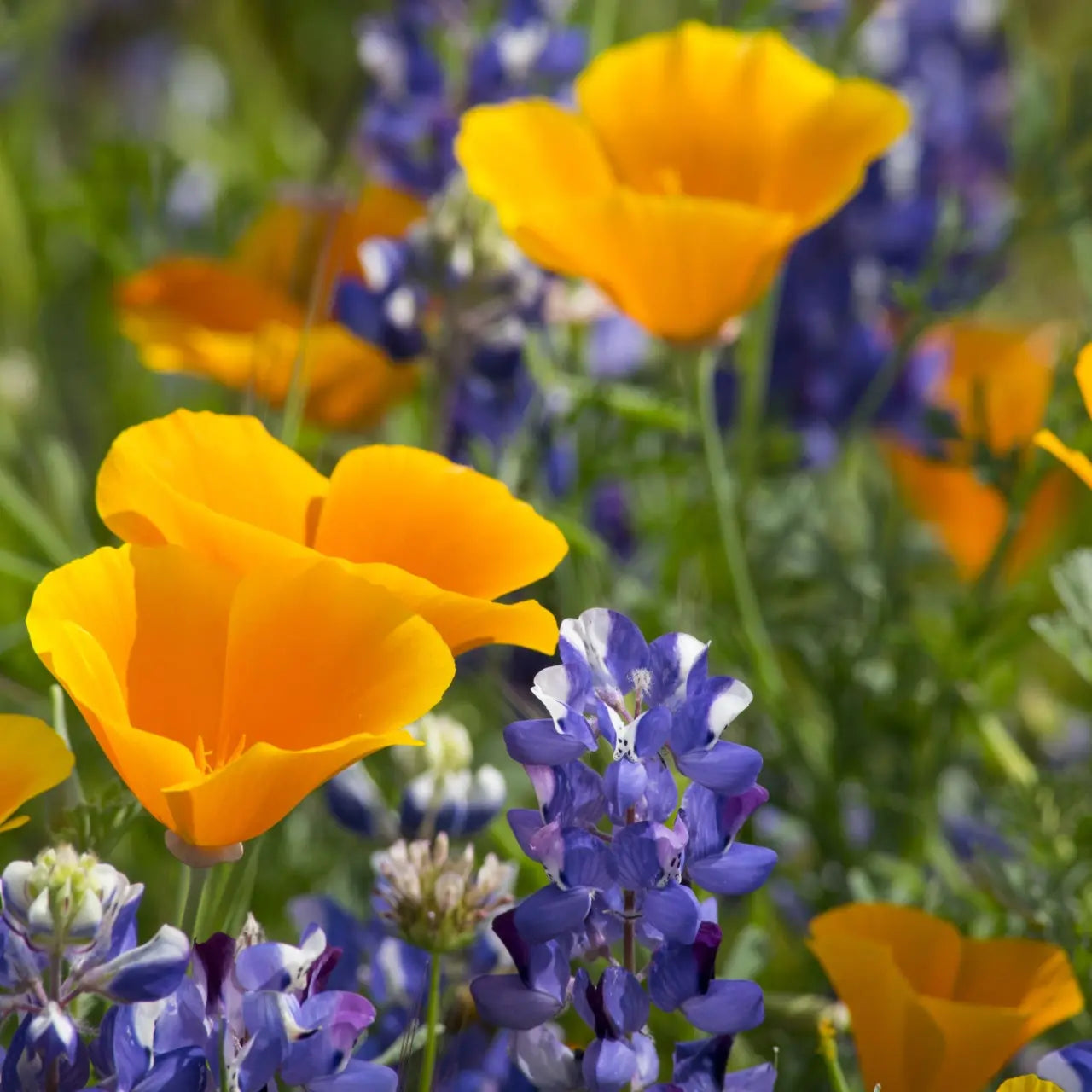
Golden Poppy brings sunshine to the garden with bright yellow-orange blooms on 12–18 inch stems. Blooms start in late spring and last through summer.
It attracts pollinators, is low-maintenance, and brings vibrant color to sunny borders. Deadheads spend flowers, avoid overwatering, and divide or sow seeds every few years.
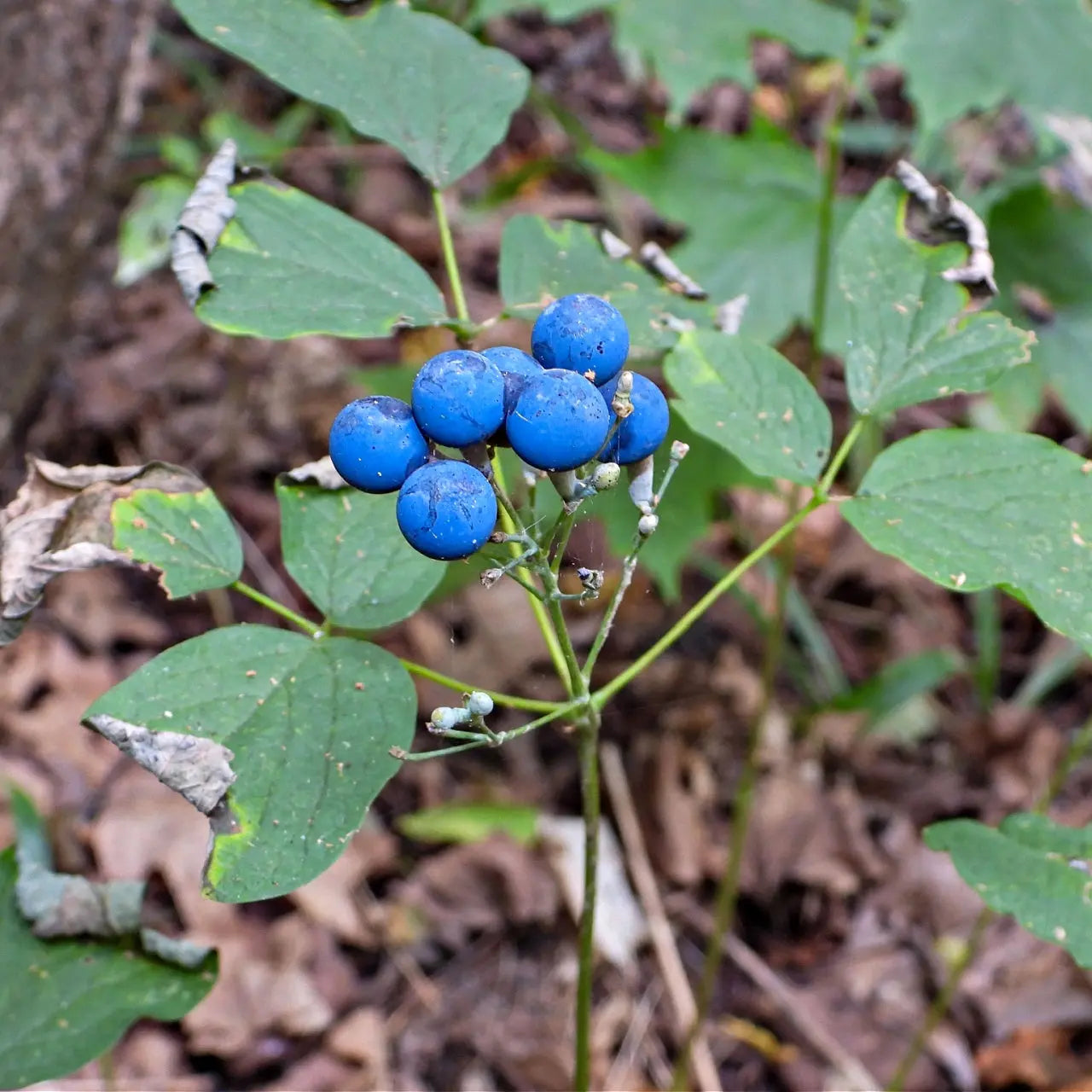
Blue Cohosh is a woodland perennial with bluish-green leaves and small dark blue berries. It grows 1–2 feet tall, blooming late spring in shaded areas.
It’s perfect for shaded spots, supports wildlife, and doesn’t require much care once established. Mulch in winter, divide occasionally, and keep it out of harsh sun.
Choosing plants for Tennessee isn’t just about what looks nice. Soil type, sun, water, and the plant’s mature size all matter. Think about bloom times too—mix early, mid, and late-season flowers so the garden always has something happening.
Tips for beginners:
With perennials, gardening is easy and more fun. Since they keep coming back, each year there is less need to plant new ones. They make your home look better from the street, help bees, and give your yard more variety.
Other perks:
Perennials, when chosen wisely, can turn a Tennessee garden into something that feels alive and welcoming all year. From cheerful Narcissus and Daffodils to bold Blue Lobelia and Golden Poppy, the right selection creates beauty without a ton of work. With proper placement, care, and patience, gardens thrive, pollinators benefit, and spaces look spectacular for seasons on end. Tennessee Wholesale Nursery makes it easy to find plants that fit local conditions, giving gardeners a head start toward lasting, colorful landscapes
Reviews
To write a review, you must login first.
Similar Items

The Future of White-Label Taxi Booking Apps: Trends to Watch
HYGINE LINKS

Limitless Boundaries
Net Worth Gyaan