

Description
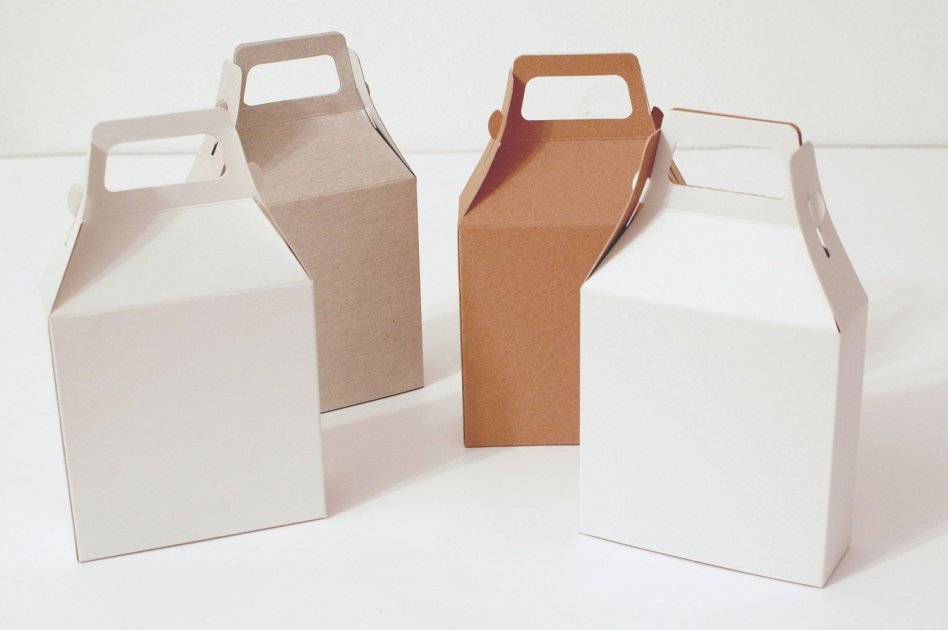
Food delivery teams need packaging that loads quickly, carries well, and arrives intact. The arched top with a built-in grip creates a stable hold, while the tapered sides help stack and nest during transport. In daily operations, drivers move fast between kitchens, racks, and doorsteps; packaging that guides the hand saves seconds at every stop. In this context, cardboard gable boxes align handling, protection, and presentation in one streamlined form that supports both speed and care.
Counter staff can pass a single-piece carrier directly to customers without an extra bag. The central grip gives a clear pickup point, so the load stays balanced even when walking or riding a bike. Delivery teams report fewer last-minute swaps or tape fixes because the lock-top design closes securely. This reduces queue time, helps meet delivery windows, and cuts small errors that lead to refunds or remakes.
A centered handle keeps weight near the natural carrying position of the hand. That improves posture and reduces sudden tilts that cause leaks. The pitched roof sheds light rain, and the sidewalls act as bumpers around containers. Add a vent notch when transporting hot items to limit steam buildup, and specify grease-resistant liners for oily foods so outer surfaces stay clean.
Gable carriers come in sizes from snack packs to family meals. They print cleanly, carry a distinct silhouette, and make it easy to identify which order is which at a glance. Teams can standardize a few footprints and still match diverse menus by adjusting inserts and dividers.
For light items, paperboard with a smooth print surface works well; for heavier meals or multiple containers, micro-flute corrugate adds stiffness without bulk. A crash-lock base speeds assembly while resisting sag. Inner dividers stop cups and tubs from colliding, and small corner pads protect delicate pastries. If liquid containers are included, a moisture barrier underlay prevents wicking into the board.
High-contrast artwork near the handle makes the carrier easy to spot on racks and at the door. Keep critical text at least a finger’s width from the grip so it remains readable. QR codes can link to reheating tips or allergen info; date and time stamps support quality control. Seasonal sleeves or stickers let teams run long print batches while still adapting campaigns and limited-time offers.
Every minute in a delivery shift matters. A one-piece gable layout folds quickly, stores flat in tight spaces, and reduces the number of SKUs that kitchens must manage. Fewer components mean fewer chances for stockouts during peak hours.
Pre-creased lines and a clear lock sequence allow new staff to assemble boxes in a few moves. Standard operating steps—fold, lock, load, close—keep training simple across locations. A good benchmark is under ten seconds per box once staff are familiar, which compounds into real time savings across a high-volume evening.
Board grade drives most of the price. Rather than adding separate handle patches, many teams step up one grade for the entire piece to gain strength with minimal complexity. Consolidating sizes and sharing artwork plates lowers setup fees. Variable data (order numbers, routes, or languages) can be applied with short-run digital overprints so the main print run stays efficient.
A box must hold its shape from cook line to doorstep. Small tests before rollout reduce complaints and returns, while thoughtful details convert a plain carrier into a positive brand touchpoint.
Run lift cycles with 25% over the typical food load to check for tearing around the handle or lock. Stack carriers for an hour to see if the roof panels bow. Simulate a short ride: vibration, a few corner turns, a stop, and a start. Note any leaks, lid pop-ups, or collapsed areas. When issues appear, minor adjustments—wider grip radius, deeper tuck, or a stiffer flute—often solve them quickly.
The gable profile signals “carry-ready” in the customer’s mind. Clean printing, tidy edges, and a firm lock reassure the buyer before they taste the meal. A small printed message near the handle—“Open from the side panel to keep items upright”—reduces mishandling. Clear recycling guidance encourages responsible disposal, and a short thank-you line adds warmth without extra cost.
Food brands now publish packaging goals alongside menu information. Gable carriers can meet these goals while staying practical in daily service.
Specify recycled fiber content that still meets strength targets. Water-based inks and adhesives help with recyclability, and fiber-based windows can replace plastics where visibility is needed. Printing a recycling reminder near the grip—“Flatten after use; recycle with paper”—nudges behavior at the exact moment the customer finishes their meal.
Right-sizing lowers raw material use and prevents empty space that encourages sliding and spills. Fewer secondary bags mean fewer components to manage and less trash in the customer’s home. Because gable carriers store flat, a single outer carton holds more units, cutting freight emissions per box and freeing shelf space in small kitchens.
Clear specifications shorten sampling cycles and help partners deliver consistent results across sites and seasons.
State the average and maximum meal weights, the number and type of containers, and whether items are hot, chilled, or ambient. Include a target assembly time and a stacking requirement for staging racks. Note any brand color constraints and the space needed for order labels or QR codes.
Pilot the design in one busy shift with real orders. Track assembly time, handle comfort, lid integrity, and customer comments. Capture photos of any damaged meals and adjust inserts or board grade as needed. Once stable, lock the dieline, share a one-page setup guide, and align reorder points so every site stays stocked during peak hours.
Reviews
To write a review, you must login first.
Similar Items

CÔNG TY TNHH THIẾT KẾ QUẢNG CÁO LED SUN

Venture Studio Capital

Electrical Maintenance & Home Maintenance Company in Dubai
Freight Forwarding Companies in Dubai for E-Commerce