How Do Automated Unmanned Weighbridge Systems Improve Efficiency?
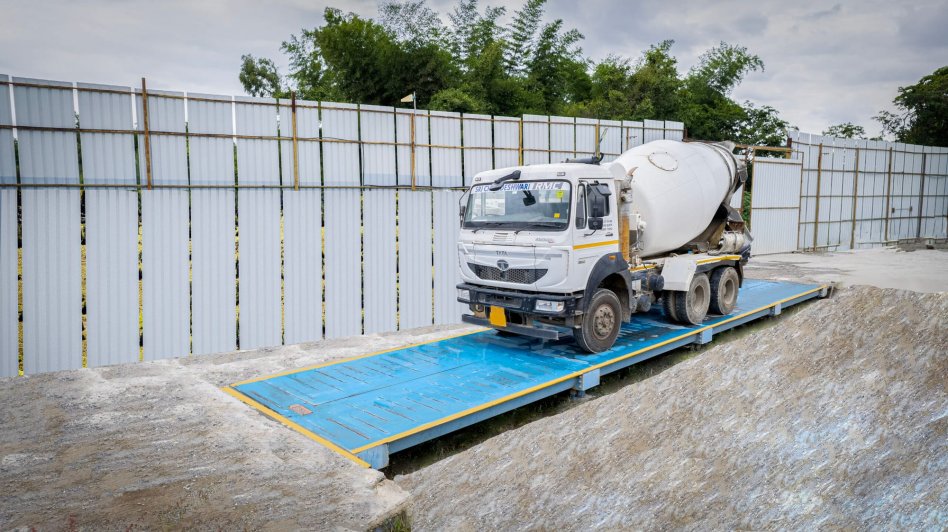
Automated unmanned weighbridge systems are transforming the way industries handle vehicle weighing by eliminating manual processes and introducing smart, technology-driven operations. These systems integrate tools like RFID, sensors, cameras, and specialized software to manage the entire weighing process without requiring human intervention.
One of the biggest advantages is speed and reduced turnaround time. In a traditional setup, vehicles must wait for an operator to record details and approve weighing. With automation, identification and data capture happen instantly, allowing trucks to pass through the weighbridge quickly. This significantly reduces queues and improves overall traffic flow within industrial premises.
Another key benefit is accuracy and error reduction. Manual data entry often leads to mistakes, whether due to human error or miscommunication. Automated systems record weight, vehicle details, and timestamps digitally, ensuring precise and consistent data. This is especially important for industries where compliance and billing depend on exact measurements.
Automated weighbridges also enhance operational transparency and security. Features like CCTV integration, number plate recognition, and real-time monitoring help prevent fraud, unauthorized access, and weight manipulation. Every transaction is recorded and stored, making audits and reporting more reliable and efficient.
Cost savings are another major factor. By reducing the need for multiple operators and minimizing delays, businesses can lower labor costs and increase productivity. Over time, the return on investment becomes evident as operations run more smoothly with fewer disruptions.
In addition, these systems provide real-time data and integration capabilities. They can be connected to ERP or logistics management software, enabling businesses to track shipments, generate reports, and make data-driven decisions. This level of integration improves planning, inventory control, and overall supply chain efficiency.
Finally, automated unmanned weighbridge systems offer 24/7 operation capability. Since they do not rely on human presence, weighing processes can continue around the clock, making them ideal for high-volume industries such as mining, logistics, and manufacturing.
In conclusion, automated unmanned weighbridge systems improve efficiency by increasing speed, accuracy, security, and cost-effectiveness. By adopting this technology, businesses can streamline operations, enhance productivity, and stay competitive in an increasingly automated industrial landscape.