

Description
Commercial Kitchen Equipment: The Backbone of Professional Kitchens
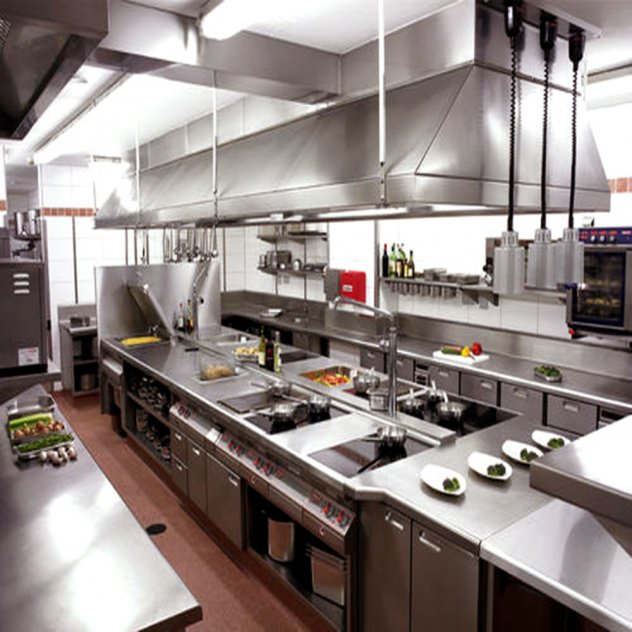
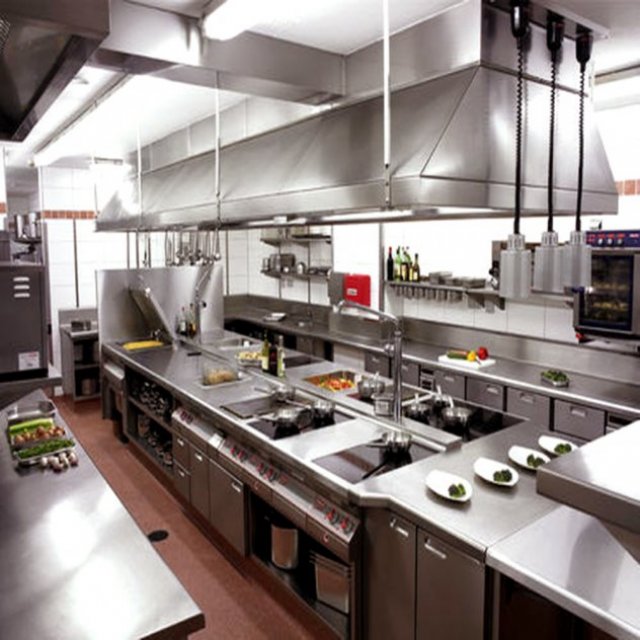
In the bustling world of food service, the efficiency and functionality of a commercial kitchen are paramount. From bustling restaurants to large-scale catering operations, commercial kitchen equipment plays a crucial role in ensuring that food is prepared quickly, safely, and hygienically. This article delves into the various aspects of commercial kitchen equipment, exploring its types, importance, and real-world applications.
The Importance of Commercial Kitchen Equipment
Commercial kitchens are the backbone of the food service industry, where the volume of food prepared daily can be staggering. The right equipment not only enhances productivity but also ensures compliance with health and safety regulations. High-quality commercial kitchen equipment is designed to withstand the rigors of daily use, providing durability and reliability that residential appliances simply cannot match.
Types of Commercial Kitchen Equipment
Commercial kitchen equipment is diverse, catering to different aspects of food preparation and service. The primary categories include:
1. Cooking Equipment
Cooking equipment is the heart of any commercial kitchen. It includes:
Ovens and Ranges: Commercial ovens and ranges are larger and more powerful than their residential counterparts. They come in various types, such as deck ovens, convection ovens, and griddles, each serving specific cooking needs.
Frying Equipment: Deep fryers, fryer baskets, and pressure fryers are essential for preparing fried foods. These units must maintain high temperatures and handle large quantities of food efficiently.
Grills and Griddles: These are used for cooking meats, vegetables, and pancakes. Commercial grills and griddles are often equipped with multiple burners to handle large batches.
2. Refrigeration Equipment
Refrigeration is critical for maintaining the freshness and safety of food. Key pieces of equipment include:
Walk-in Refrigerators and Freezers: These large units provide ample storage space for perishable items, ensuring that food remains fresh until it’s served.
Display Refrigerators: These are used to display and store ready-to-eat foods, keeping them at the right temperature while making them easily accessible to customers.
Freezers: Commercial freezers come in various sizes and types, including blast freezers for quick freezing and reach-in freezers for storing large quantities of frozen goods.
3. Dishware and Utensil Equipment
Efficient dishware and utensil management is essential for maintaining hygiene and streamlining operations. This includes:
Dishwashers: High-capacity dishwashers are designed to clean large volumes of dishes quickly and hygienically.
Utensil Racks and Cabinets: Proper storage solutions for utensils help keep the kitchen organized and reduce the risk of cross-contamination.
4. Prep and Serving Equipment
Preparation and serving equipment ensures that food is prepped and served efficiently:
Food Processors and Mixers: These machines help in chopping, slicing, and mixing ingredients quickly and efficiently.
Cutting Boards and Knives: High-quality cutting boards and knives are essential for food preparation. They must be durable and easy to clean.
Serving Equipment: This includes trays, carts, and buffet setups that help in serving food efficiently.
Real-World Applications and Case Studies
Case Study: The Efficiency of a High-Volume Restaurant
Consider a high-volume restaurant that serves thousands of meals daily. The kitchen is equipped with state-of-the-art commercial ovens, fryers, and grills. These pieces of equipment are designed to handle large batches of food, ensuring that meals are prepared quickly and efficiently. The use of walk-in refrigerators and freezers allows the restaurant to store large quantities of ingredients, reducing waste and ensuring freshness.
The restaurant also employs high-capacity dishwashers to clean dishes at the end of each shift. This ensures that all utensils are ready for the next day’s service, reducing downtime and increasing overall efficiency.
Case Study: A Catering Company’s Kitchen
A large catering company often needs to prepare hundreds of meals for events. Their commercial kitchen is equipped with multiple ovens, fryers, and grills to handle the large volume of food required. The use of commercial refrigerators and freezers allows the company to store ingredients and prepared dishes, ensuring that food is always fresh and ready to serve.
The catering company also uses mobile serving carts, which are essential for transporting food from the kitchen to the event venue. These carts are designed to hold large quantities of food while maintaining temperature control.
Choosing the Right Equipment
Selecting the right commercial kitchen equipment involves several considerations:
1. Capacity and Volume
The first consideration is the capacity and volume of the equipment. For a small restaurant, a few deck ovens and a single fryer might suffice. In contrast, a large chain restaurant or catering company will require multiple units to handle the high volume of food.
2. Durability and Maintenance
Commercial equipment must be durable and easy to maintain. Investing in high-quality equipment that requires minimal maintenance can save time and money in the long run.
3. Energy Efficiency
Energy-efficient equipment not only reduces operating costs but also contributes to environmental sustainability. Look for equipment with energy-saving features and certifications.
4. Space and Layout
The layout of the kitchen and available space should guide the selection of equipment. It’s important to ensure that the equipment fits well within the kitchen and does not impede workflow.
Conclusion
Commercial kitchen equipment is essential for the efficient and hygienic preparation of food in the food service industry. From cooking and refrigeration equipment to dishware and utensil management, Commercial Kitchen Equipment in Delhi each piece plays a vital role in ensuring that food is prepared quickly and safely. By understanding the different types of equipment and considering factors such as capacity, durability, and energy efficiency, businesses can make informed decisions that enhance their operations and contribute to their success.
Reviews
To write a review, you must login first.
Similar Items

Orchid Dinex: Hotel Crockery and Catering Supplier

Lucky Store

Pacific Patisserie

FOOD SERVICE INDIA PVT. LTD.