

Description
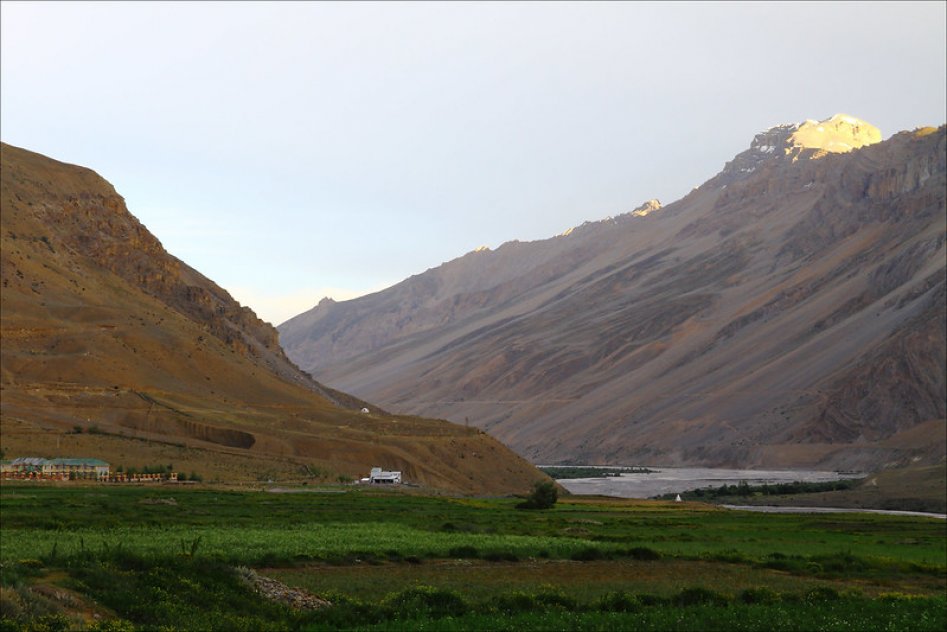
At over 12,000 feet above sea level lies a cold desert wrapped in silence, awe, and mystery. Welcome to Spiti Valley, one of India’s most untouched and mesmerizing travel destinations. Situated in Himachal Pradesh and bordered by Tibet, Spiti—meaning “The Middle Land”—offers a surreal escape from the modern world.
Surrounded by dramatic mountain passes, ancient monasteries, and remote high-altitude villages, Spiti Valley tour packages make it possible for travelers to explore this remote region without compromising on safety or comfort. Whether you’re chasing the stars at Chandratal Lake or meditating in a 1,000-year-old monastery, Spiti is a destination where time slows down and the spirit awakens.
Spiti is not your average Himalayan getaway. Its rugged terrain, unpredictable weather, and limited infrastructure make self-planned travel challenging. That’s where Spiti Valley tour packages come in.
Tour packages simplify logistics, provide experienced guides, ensure well-timed acclimatization, and offer comfortable lodging in some of the most remote locations. With proper altitude management, local insights, and reliable transport, they transform a tough journey into an unforgettable adventure.
Packages typically include:
Transportation from major cities (Delhi, Chandigarh, Manali, or Shimla)
Accommodation in homestays, guesthouses, and camps
Meals (usually breakfast and dinner)
Local guides and permits
Emergency support and oxygen supplies
Operators curate each journey to include must-visit places while allowing you to engage deeply with the culture and natural beauty. And for those looking for a trusted platform, Cliffhangers India is among the top-rated tour organizers, known for offering high-quality Himalayan experiences.
Spiti is accessible for only a few months each year due to heavy snowfall and road conditions.
May to October is the best season to explore the full Spiti circuit, including both Shimla and Manali routes. Roads are open, skies are clear, and all villages and lakes are accessible.
June and July offer pleasant weather and blooming valleys.
September and early October provide fewer crowds, golden landscapes, and better road conditions.
Winter (November to February) is extreme but rewarding. Expect heavy snow, frozen rivers, and complete isolation. Ideal only for experienced travelers.
Here’s a sample 9-day Spiti Valley tour package itinerary designed for high-altitude acclimatization and exploration:
Begin your journey from the plains to the foothills. Overnight in Narkanda, surrounded by apple orchards.
Drive through the majestic Kinnaur Valley along the Sutlej River. Kalpa offers stunning views of the Kinner Kailash range.
Witness the changing landscape as green hills give way to barren deserts. Stop at Nako Lake, a tranquil mirror of the sky.
Visit Gue village to see India’s only naturally preserved mummy. Explore Tabo Monastery, over 1,000 years old and rich in history.
Visit the cliff-hanging Dhankar Monastery and move deeper into Spiti Valley’s cultural heart—Kaza.
Visit the world’s highest post office (Hikkim), fossil fields at Langza, and Komic, the world’s highest motorable village.
Cross the Kunzum La and camp at Chandratal Lake, a crescent-shaped lake reflecting the stars.
Travel the dramatic road through Batal and Rohtang towards Manali.
Head back to your starting city, carrying memories of Spiti’s quiet beauty and cosmic skies.
Here are some iconic destinations most tour packages include:
Kaza: Administrative center with cafes, markets, and access to nearby villages
Key Monastery: A 1,000-year-old spiritual center perched dramatically above the valley
Tabo Monastery: UNESCO-recognized and filled with ancient Buddhist art
Langza: Known for ancient marine fossils and a massive Buddha statue
Hikkim: World’s highest post office—mail a letter from the clouds
Komic: One of the world’s highest villages connected by a motorable road
Pin Valley: Lush and green, contrasting with Spiti’s otherwise arid beauty
Chandratal Lake: Camping beside this moon-shaped lake is the highlight for many
Each of these spots carries a story—of isolation, endurance, and quiet resilience.
Spiti’s culture is closely tied to Tibetan Buddhism. Monks in red robes walk through ancient monasteries where chants echo against cold stone walls. The local language, food, and dress reflect the region’s high-altitude heritage.
Traditional dishes like thukpa, momos, and butter tea warm the soul. Festivals like Losar (New Year) bring color and community spirit, even in the harshest weather.
Staying in homestays as part of your tour package gives you a chance to interact with locals, share stories, and experience daily life in the Himalayas.
Spiti’s terrain and temperature demand careful preparation:
Clothing: Thermal layers, windproof jackets, gloves, woolen caps
Footwear: Sturdy trekking shoes with good grip
Health: First-aid kit, personal medications, sunscreen, and lip balm
Documents: Government ID, permits (if required), and cash (limited ATMs)
Gadgets: Power bank, flashlight, camera, and offline maps
Even in summer, nights can be freezing. Always dress in layers and keep essentials in a waterproof daypack.
Spiti is ecologically and culturally fragile. Responsible travel is essential:
Avoid plastic—carry refillable bottles
Don’t leave waste on trails or lakesides
Respect monastery customs—no loud noises or intrusive photos
Shop local to support communities
Leave fossils and wildlife untouched
Sustainable tourism ensures future travelers can enjoy Spiti’s raw beauty just as you do.
Spiti isn’t just a destination—it’s a soul-stirring experience. Between ancient monasteries, lunar landscapes, and starlit skies, Spiti Valley changes how you see the world and yourself. With a thoughtfully curated Spiti Valley tour package, you don’t just visit—you immerse, you adapt, and you grow.
Let the mountains humble you. Let the silence speak. Spiti is waiting—untamed, unfiltered, and unforgettable.
Reviews
To write a review, you must login first.
Similar Items

ALPY

Anema Resort Gili Lombok

Kaba Travels

Charter Bus Baton Rouge